Identifying Faults in Gas Detectors
When you're dealing with gas detectors, it's important to identify the indications of malfunction. You could notice erratic alarm systems or lowered level of sensitivity, which can endanger safety. Comprehending the typical signs and symptoms and their causes is just the very first step. By using methodical troubleshooting strategies, you can efficiently address these problems and guarantee reliability. Yet what occurs when these basic options don't function? The path to genuinely trusted gas discovery entails greater than just routine checks there are deeper layers to check out that could disclose essential insights.
Secret understandings
- Look for erratic alarm actions or delays, showing possible digital issues or sensor breakdowns.
- Check for physical damages like staining or rust that might jeopardize sensor capability.
- Display environmental problems such as humidity and temperature level that can affect detector efficiency.
- Frequently carry out functional examinations and adjust detectors to make certain precise analyses and proper sensitivity.
- Preserve logs of calibration and upkeep tasks for tracking performance and determining recurring problems.
Common Gas Detector Issues
Gas detectors are vital tools for ensuring safety and security in environments where harmful gases may be present, yet they can encounter numerous typical concerns that impact their performance. One prominent concern is sensing unit level of sensitivity. If the sensor's response is expensive or as well reduced, it might lead to duds or missed discoveries. Regular calibration is essential to preserve optimal sensitivity degrees, making sure precise readings.
Environmental elements likewise play an important function in the performance of gas detectors. Variations in temperature, humidity, and pressure can significantly influence sensor performance. As an example, extreme temperatures might trigger wandering or slow response times, while high humidity can lead to condensation on the sensing unit, reducing its efficiency.
Additionally, exposure to pollutants can impair sensor performance, resulting in inaccurate measurements. Dirt, dirt, and chemical residues may block the sensor and weaken its performance gradually. It's essential to consistently evaluate and clean the detector to reduce these concerns.
Symptoms of Detector Malfunctions
When a gas detector begins to malfunction, particular symptoms can suggest the need for instant attention. One clear indicator is a minimized sensor sensitivity, which might protect against the detector from precisely recognizing gas focus. If you observe that the detector fails to reply to well-known gas degrees, it's a strong sign that the sensor might be compromised.
An additional vital signs and symptom is an erratic or postponed alarm system action. If the detector activates inconsistently or takes as well long to appear an alarm system, this could represent underlying issues with its electronic devices or calibration. Pay attention to any type of false alarms also; these can show that the device is misreading ecological problems.
Furthermore, physical indications such as staining, corrosion, or damages to the detector can additionally recommend breakdown. Regular maintenance checks can help recognize these signs and symptoms early. Maintain a log of alarm events and reactions to track any patterns that might arise with time. Bear in mind, timely recognition of these symptoms can avoid harmful situations and assure that your gas detection system runs successfully and accurately.
Troubleshooting Strategies
When troubleshooting gas detectors, you'll intend to determine typical error signs that signal prospective problems. Normal upkeep best techniques can aid stop malfunctions and assure accurate analyses. By systematically attending to these aspects, you can improve the reliability of your discovery systems.
Typical Error Indicators
Identifying typical error signs in gas detectors is necessary for effective troubleshooting and guaranteeing safety and security. Among the primary indicators to keep track of is the sensor sensitivity. If the detector regularly falls short to react to recognized gas concentrations, it could signify a calibration problem or sensing unit destruction. Consistently check the sensitivity versus producer specs to validate its efficiency.
Environmental factors can additionally substantially influence gas detector performance. High humidity, severe temperature levels, or extreme dirt can disrupt the sensor's capability to find gases accurately. If you observe erratic readings or false alarms, investigate the ecological problems where the detector is mounted.
One more typical mistake sign is the presence of alerting lights or mistake codes on the device. Familiarize on your own with your detector's individual guidebook to understand what each code represents. For instance, a reduced battery warning may endanger efficiency, demanding prompt substitute.
Finally, listen for uncommon noises, such as beeping or humming, which can suggest operational issues. By recognizing these common error indicators, you can take timely activity to preserve the reliability of your gas detection system, consequently improving safety in your environment.
Upkeep Finest Practices
Surveillance error signs is just the primary step in guaranteeing your gas detector runs successfully. To keep peak efficiency, you have to take on finest methods that align with present gas detector innovation and regulatory conformity. Here are 3 key methods:
- Normal Calibration: Validate your gas detector is adjusted according to the manufacturer's specs. This guarantees accurate readings and enhances safety and security.
- Routine Examining: Conduct regular functional examinations to verify that your gas detector responds properly to well-known gas concentrations.
- Thorough Cleaning: Keep the detector without dirt and pollutants, as these can hinder its performance.
Calibration and Maintenance Tips
For excellent efficiency, gas detectors require routine calibration and upkeep to safeguard accuracy and integrity. You ought to develop a calibration regularity based upon the supplier's referrals and the specific environmental conditions where the detectors operate. Normally, calibration needs to happen at the very least every 6 months, but much more constant checks might be required in high-risk locations.
Abiding by maintenance routines is essential. Frequently examine the detectors for any type of signs of wear, damage, or contamination. Identify that sensing units are clean and devoid of blockages that might influence performance. In addition, check battery degrees and replace them as required to prevent unexpected failings.

Recording calibration and upkeep tasks is essential for tracking efficiency fads and determining possible problems. Execute a log that videotapes dates, results, and any kind of corrective activities taken. This practice not just assists maintain conformity with security regulations however additionally boosts your understanding of devices reliability.
Last but not least, constantly conduct functional tests post-calibration to verify that the detectors react precisely to well-known gas focus. This methodical strategy guarantees your gas detection systems stay reliable, offering security for workers and conformity with market criteria.
Substitute Components and Solutions
When resolving mistakes in gas detectors, it's necessary to know the usual replacement components that might be essential. You need to also consider offered troubleshooting options to rapidly determine and settle issues. Applying preventative upkeep suggestions can significantly extend the life-span of your devices and decrease future fixing requirements.
Usual Replacement Components
Identifying the appropriate replacement components is important for maintaining the reliability of gas detectors. When your detectors malfunction, it's not just a small aggravation; it can bring about hazardous circumstances. Having the correct replacement components accessible assurances that your safety measures continue to be uncompromised.
Trick parts to think about consist of:
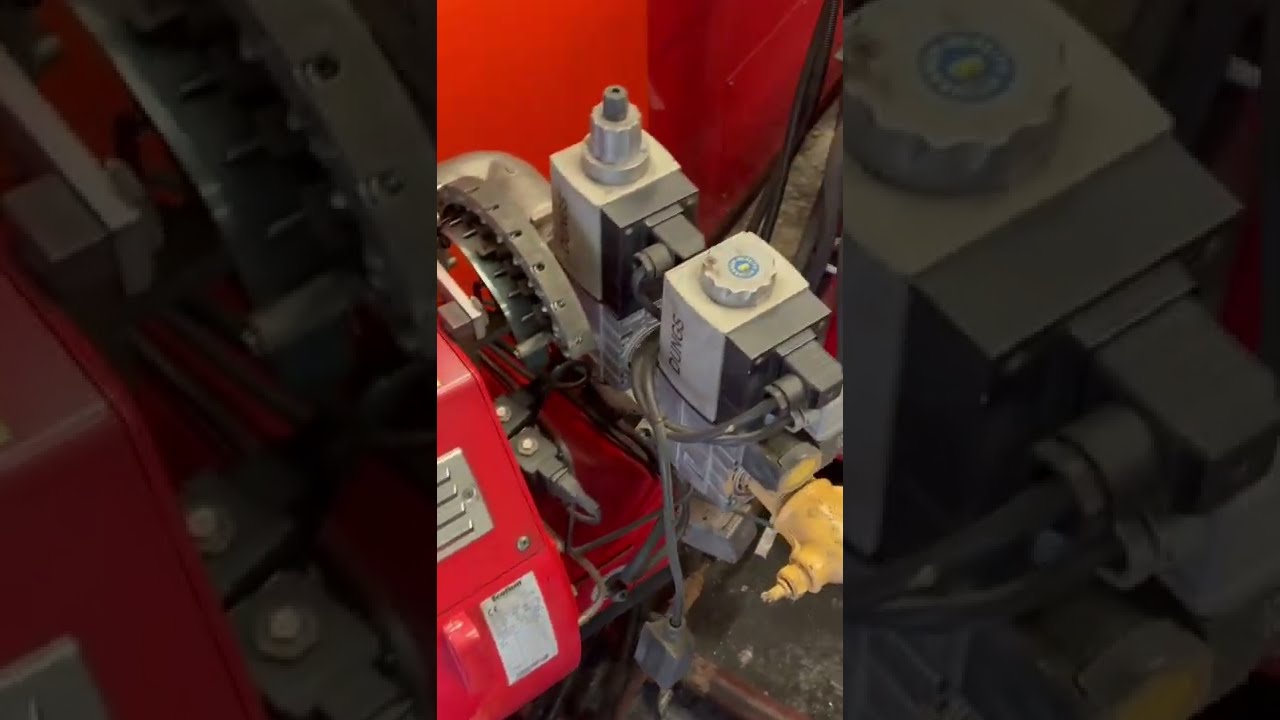
- Replacement Sensors: These are essential for detecting particular gases properly. Gradually, sensors can weaken, causing incorrect analyses.
- Detector Modules: These residence the sensors and procedure the data. If a module falls short, your entire detection system may be provided inadequate.
- Calibration Kits: Routine calibration is important to make certain your detectors work effectively. A reputable calibration package can save you time and money.
Repairing Solutions Available
Fixing gas detectors calls for a systematic strategy to identify and remedy concerns effectively. Begin by assessing the sensor efficiency, as its performance is crucial for exact analyses. If the sensing unit is unresponsive or supplies irregular outcome, verify the calibration setups. You might require to recalibrate or change the sensing unit, relying on its problem.

Next off, think about the environmental aspects impacting the detector. High moisture, severe temperatures, or exposure to destructive representatives can weaken performance. Check the setup location for these conditions and change as required. If you presume environmental impacts, transferring the detector or including protective units can mitigate these results.
Additionally, evaluate the power supply. Not enough voltage can result in unstable operation, so confirm that the power source meets the specific demands. Examine the circuitry for any type of signs of wear or damage, as faulty links can additionally jeopardize performance.
Ultimately, speak with the supplier's documents for specific fixing standards. Replacement components, like filters or sensors, frequently featured detailed guidelines to promote proper installment and upkeep. By adhering to these actions, you can properly troubleshoot gas detectors and recover their reliability.
Preventative Maintenance Tips
Normal preventative upkeep is necessary for making certain the longevity and reliability of gas detectors. By addressing the important elements of your gas discovery system, you can considerably reduce the threats connected with sensing unit destruction and prolong your battery gas engineer dover life expectancy. Here are some crucial ideas to bear in mind:
- ** Schedule ** Routine Assessments ****: Routine checks can catch prospective problems prior to they intensify, ensuring your detectors operate when required most.
- Replace Batteries Promptly: Don't await your battery to stop working; proactively replace it based upon the producer's guidelines to maintain peak performance.
- Screen Sensing Unit Condition: Watch on sensing unit efficiency and change sensors as advised to prevent false analyses or failures.
Including these techniques right into your upkeep schedule not just boosts the reliability of your gas detectors however also safeguards lives and residential property. Remember, a aggressive strategy to upkeep is your finest protection versus unanticipated failures and pricey occurrences. By staying ahead of battery life-span and addressing sensing unit deterioration, you're investing in a safer atmosphere for everyone.
Ideal Practices for Safety
Guaranteeing your gas detectors run securely is crucial for shielding employees and facilities. Initially, acquaint yourself with the pertinent safety laws that put on your certain environment. Regularly evaluate these standards to confirm conformity and minimize threats.
Next, develop and record clear emergency situation procedures. All personnel should be trained on these procedures, consisting of just how to respond if a gas detector notifies to an unsafe problem. Conduct regular drills to reinforce these emergency treatments, guaranteeing everyone recognizes their functions and obligations.
Apply a routine inspection and upkeep routine for your gas detectors. This consists of calibrating sensing units according to the supplier's requirements and replacing elements as required. Keep a log of all upkeep tasks, which can assist identify patterns or persisting mistakes.
Finally, validate your detectors are set up in perfect areas based upon gas density and possible leak resources. On a regular basis evaluate these locations to make up adjustments in the center's design or procedures. By adhering to these finest techniques, you'll enhance the integrity of your gas discovery systems and substantially improve safety results.
Often Asked Concerns
How Typically Should Gas Detectors Be Evaluated?
You need to examine gas detectors regularly to ensure they operate properly. Typically, comply with the supplier's guidelines for inspection frequency, which typically suggests a month-to-month check. Integrating these evaluations into your maintenance timetables will certainly assist recognize prospective problems prior to they rise. Paper each evaluation to track performance over time and guarantee conformity with Dover Gas Engineers gas safe engineer dover safety laws. This systematic method not only improves safety and security however also prolongs the lifespan of your gas discovery equipment.
Can Environmental Elements Affect Gas Detector Performance?
Yes, ecological variables can substantially influence gas detector efficiency. High moisture levels can cause incorrect analyses or sensor saturation, while temperature level changes could change calibration setups. You need to consistently assess these conditions to guarantee your detectors run accurately. Maintaining optimal ecological problems will certainly assist lessen these results, allowing for accurate detection and prompt signals. Always think about these aspects during routine examinations to guarantee your gas discovery systems function successfully.
What Is the Lifespan of a Common Gas Detector?
The life-span of a common gas detector normally varies in between 2 to 5 years, depending upon the sensing unit innovation made use of and environmental conditions. Routine calibration regularity plays an important function in maintaining precision and prolonging the tool's life. If you stick to the maker's standards for calibration and upkeep, you can ensure peak performance. Always monitor the detector's functionality, as prompt replacements could be essential to guard against prospective risks.
Are There Differences Between Portable and Fixed Gas Detectors?
Yes, there are differences between mobile and set gas detectors. Portable systems usually utilize lightweight sensor innovation for mobility and immediate reaction, making them ideal for fieldwork. On the other hand, dealt with detectors employ a lot more durable detection methods, created for constant surveillance in specific locations. Dealt with systems commonly integrate sophisticated sensor technology that can take care of a bigger range of gases, giving reliable, real-time information to assure security in commercial atmospheres.
Just how Do I Pick the Right Gas Detector for My Demands?
To select the best gas detector for your requirements, examine your environment and the details gases you'll experience. Think about the sensing unit modern technology; options like catalytic and electrochemical sensors differ in efficiency. You'll likewise intend to examine detection level of sensitivity greater level of sensitivity detects reduced focus. Consider whether you require mobility or repaired installation. Lastly, validate the detector meets pertinent safety standards, aligning with your operational demands for effective surveillance and safety and security conformity.
Recap
In diagnosing mistakes in gas detectors, remember to methodically analyze typical problems, symptoms, and ecological factors. Regular calibration and maintenance are essential for peak performance, while checking power supply and battery levels can avoid malfunctions. Familiarize yourself with manufacturer documentation to effectively repair and fix problems. By sticking to finest methods and changing damaged components quickly, you guarantee trustworthy detection and safeguard versus gas threats in your setting. Your persistance is important for maintaining security.